Skip to product information
1 of 7
In stock
Shipping now

Elberta Peach Tree

Classic, honey-sweet heirloom flavor

Height
Trusted by 4M+ Gardeners
Grow Guarantee
Fast Shipping
Secure
Shipped from Asheville, NC

About the Variety

New

Key Features

Frost Tolerant
Heat Tolerant
Attracts Bees
Edible

Plant Details

LIFE CYCLE

  • Perennial

SEED TYPE

  • Live Plant

LIGHT REQUIREMENT

  • Full Sun

BLOOM SEASON

  • Spring

GROWTH HABIT

  • Upright

COLOR

  • Red
  • Orange
  • Yellow

MATURE SIZE

  • 15 ft. x 10 ft.

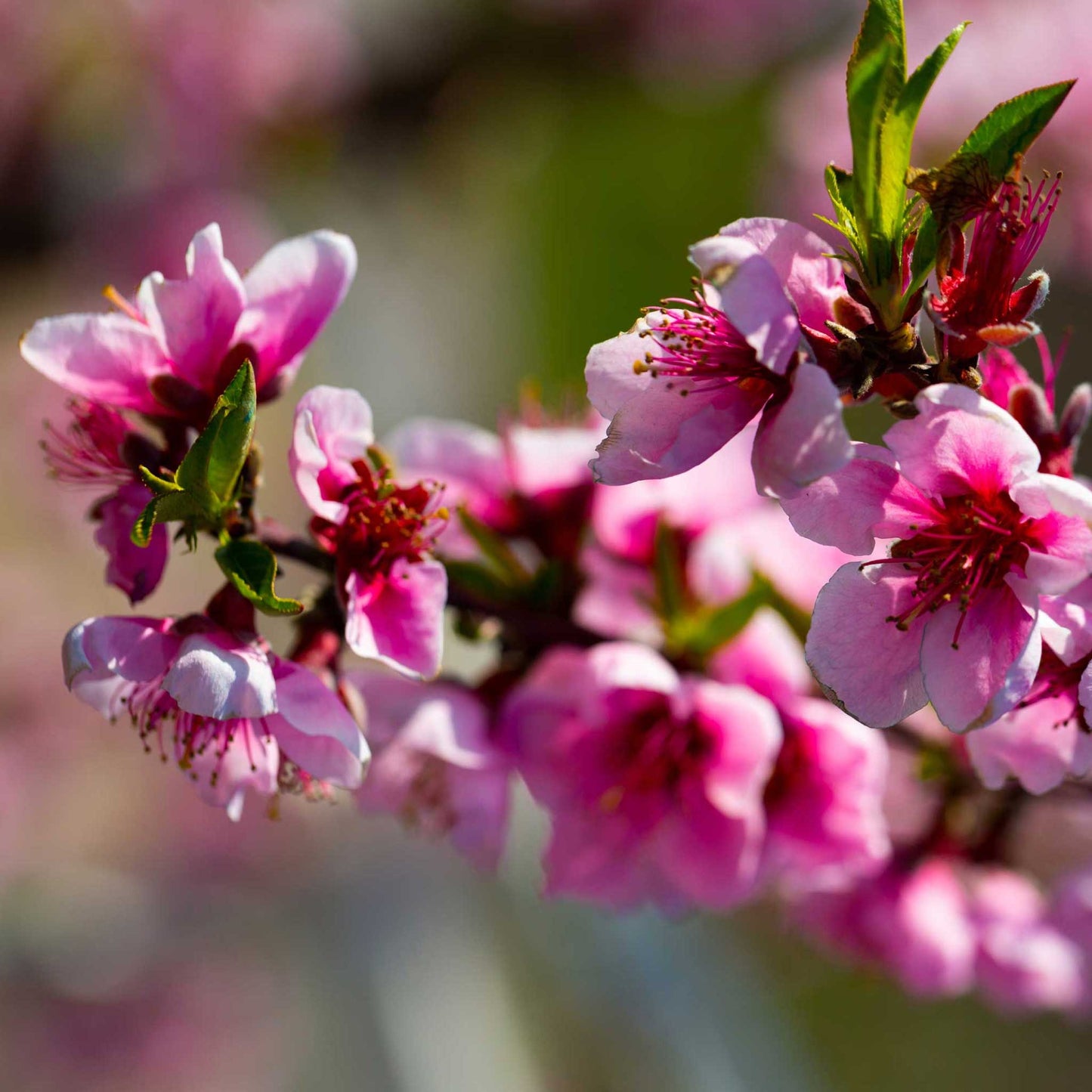
A true American heirloom, Elberta delivers the classic peach experience with large, golden-yellow fruit, a beautiful red blush, and rich, honeyed sweetness balanced by a touch of tang. For over 150 years, Elberta Peach Trees have produced juicy, aromatic freestone peaches that separate easily from the pit, making them perfect for fresh eating, cobblers, canning, freezing, and preserves. Self-fertile and dependably productive, this time-tested favorite brings generations of home-orchard flavor straight to your backyard.

This item is excluded from coupon codes and site-wide promotions.

Available across most of the U.S. — except AK, AR, AZ, CA, HI, ID, LA, OR, WA.

  • • Generations of bakers and canners chose Elberta for its full, aromatic sweetness
  • • Reliable spring bloom leads to a late-summer-into-September crop
  • Self-pollinating; an optional pollinating partner may increase yields

Planting Information

PLANTING SEASON

  • Spring
  • Fall

PLANTING DEPTH

  • Plant at the same depth as the nursery container

WATER NEEDS

  • Average

PLANT SPACING

  • 15 to 20 feet

HARDINESS ZONES

  • 5
  • 6
  • 7
  • 8

Planting Guide

recommended growing zone View our Peach Tree Planting Guide to learn more.

Companion Plants

1 of 3

Elberta Peach Tree FAQs

What does an Elberta peach taste like?

Elberta is the quintessential old-fashioned peach: rich, honey-sweet yellow flesh with a bright touch of tartness and a strong peach aroma. As a freestone, the flesh slips cleanly off the pit, which is why it became the go-to variety for fresh eating, pies, cobblers, canning, and preserves.

Do I need a second tree to get fruit?

No. Elberta is self-fertile, so a single tree will set a full crop on its own. If you have room for another peach variety nearby, it can encourage an even heavier fruit set, but it isn't required.

How soon will it bear fruit?

Peach trees are among the faster fruit trees to produce, often bearing within two to three years of planting once established. Healthy roots, full sun, and a good early-spring feeding all help bring the first crop along.

Can I grow Elberta in a cold climate or in a container?

It is hardy in zones 5 through 8, so it handles cold winters across much of the country and actually needs that winter chill to fruit well. In a large container, keep it pruned compact and move or shelter it from the harshest cold; in the ground, choose a spot with good air drainage to reduce frost damage to spring blossoms.

Why is my peach tree dropping fruit?

Some early fruit drop is normal — the tree naturally sheds excess to support what remains. Heavier drop can come from drought stress, an unusually heavy set, or a late frost on the blossoms. Water deeply and consistently while fruit is sizing, and thin young peaches to about six inches apart so the tree can ripen what's left.

When and how do I harvest, and what can I make with the fruit?

Elberta ripens around September. Harvest when the background skin color turns from green to full gold, the fruit gives slightly to a gentle squeeze, and it twists off easily. Being a clean freestone, it's perfect for fresh eating, slicing into cobblers and pies, canning, freezing in slices, and making jam, butter, or preserves.

Grown by Our Community • All peaches

    1 of 0